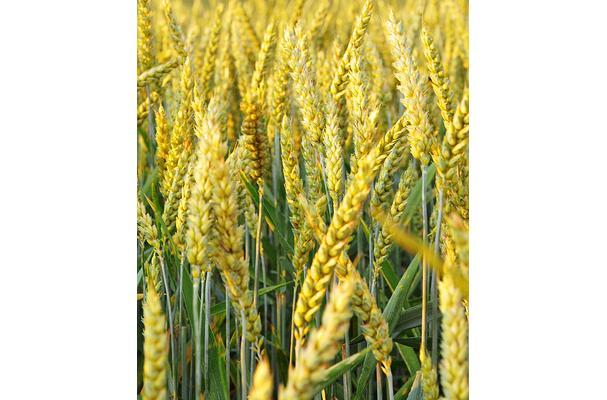
About This Food
Wheat (Triticum spp.)[1] is a worldwide cultivated grass from the Fertile Crescent region of the Near East. In 2007 world production of wheat was 607 million tons, making it the third most-produced cereal after maize (784 million tons) and rice (651 million tons).[2] Wheat grain is a staple food used to make flour for leavened, flat and steamed breads; cookies, cakes, breakfast cereal, pasta, juice, noodles, and couscous;[3] and for fermentation to make beer,[4] alcohol, vodka,[5] or biofuel
Information
Translations: Kvieši, Kviečiai, De grâu, Pšenica, Lúa mì, Pszenica, Tarwe, गेहूं, Trigo, Пшеница, Σιτάρι, القمح, 밀, Pšenice, Gandum, 小麦, Blat, Pšenica, Pšenica, Grano, חיטה, Vete, Пшеница, 小麦, Blé, Weizen, Hvede, Hvete, Trigo, Пшениця, Vehnästä, Пшеница
Physical Description
Wheat is a type of grass grown for its grain
Colors: golden yellow
Tasting Notes
Flavors: slightly bitter
Mouthfeel: Chewy
Food complements: Fruit, Chocolate, Nuts
Wine complements: White wine, Sauvignon blanc
Beverage complements: Milk, Fruit juice
Substitutes: Barley, Corn, Rice
Selecting and Buying
Seasonality: january, february, march, april, may, june, july, august, september, opctober, november, december
Peak: june, july, august
Choosing: Wheat or wheat flour are available prepackaged or in bulk containers. Choose one that is fresh, safely packaged and shows no evidence of damage or moisture present inside the container.
Buying: Look for wheat or wheat products that are safely packaged in sealed containers. Wheat and wheat products are commercially available in supermarkets
Preparation and Use
Raw wheat needs to be rolled or ground coarsely on a flour mill before consumption and allowed to soak in water to make it easier to eat.
Conserving and Storing
Store in an airtight container in a cool, dry and dark place or the refrigerator because the cool temperature will help keep the wheat from going rancid